
Telehealth FX Standardizes High-Concentration 20 mg/mL Compounded Tirzepatide Dosing Tables to Prevent At-Home Overdosing
Clinical pharmacology report provides standardized micro-volume conversion charts across 0.3 mL, 0.5 mL, and 1.0 mL syringes to eliminate high-potency measurement errors.
Dallas, TX - November 6, 2026-- Telehealth FX has officially published a national clinical practice advisory and conversion guide, High-Concentration 20 mg/mL Compounded Tirzepatide Dosing Standards and Syringe Calibration, designed to eliminate home self-administration errors among patients prescribed concentrated incretin co-agonist formulations. The comprehensive clinical report establishes standardized volume-to-unit conversion tables across 0.3 mL, 0.5 mL, and 1.0 mL U-100 insulin syringes, directly addressing the safety risks posed when compounding pharmacies dispense high-potency 20 mg/mL multi-dose vials without standardized micro-volume hardware guidance.
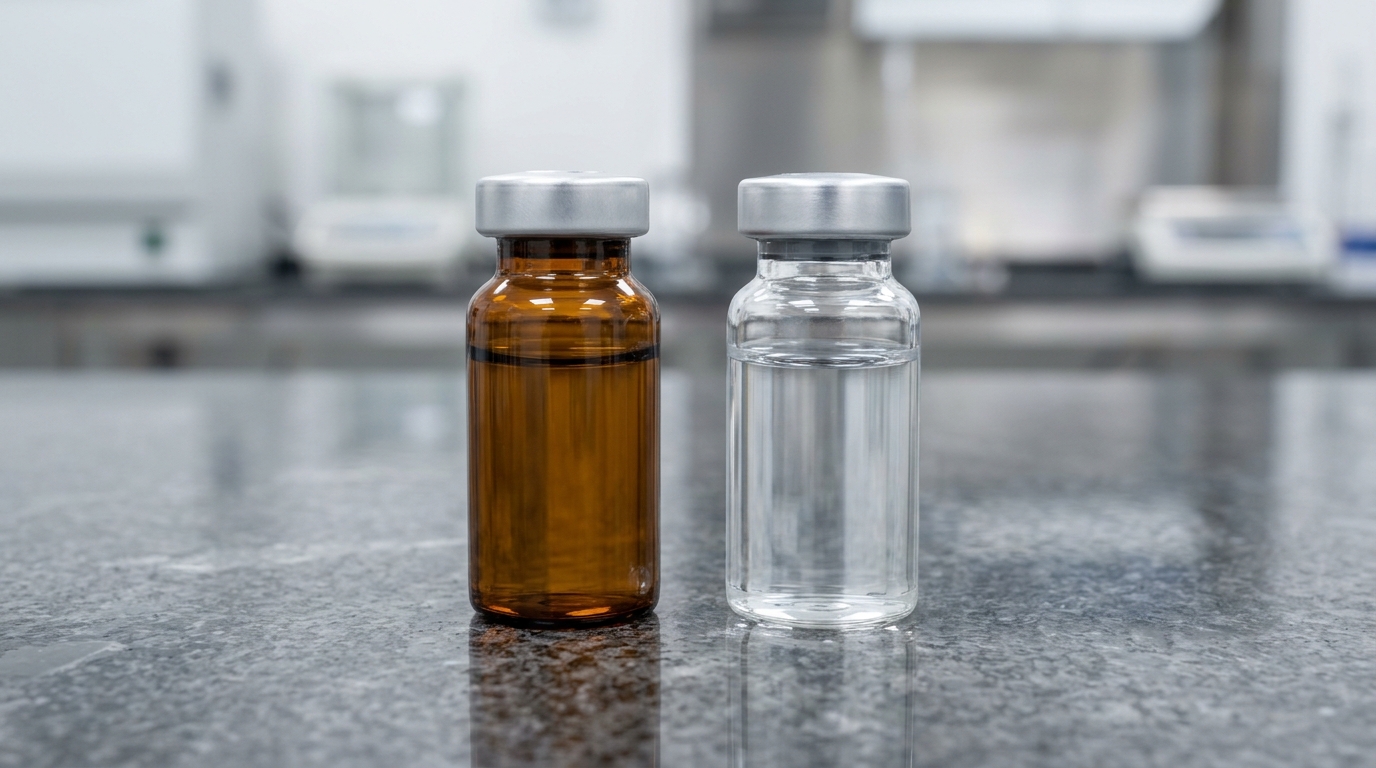
Telehealth FX high-potency 20 mg/mL compounded Tirzepatide multi-dose vial and calibrated 0.3 mL U-100 micro-syringes.
As manufacturing shortages and retail autoinjector price tags exceed $1,000 per month, 503A compounding pharmacies have increasingly adopted 20 mg/mL formulations to deliver high maintenance doses (such as 10 mg, 12.5 mg, and 15 mg) within comfortable subcutaneous injection volumes. However, for patients initiating therapy or escalating intermediate doses, high-concentration liquid creates severe volumetric calculation hazards. Telehealth FX bridges this safety gap by connecting patients directly to its Compounded Tirzepatide Care Hub and precision dosing calculators.
“A 20 mg/mL vial is a double-edged sword in outpatient incretin management,” stated Dr. Elena Rivera, M.D., Board-Certified Internal Medicine Physician and Senior Medical Director at Telehealth FX. “On one hand, it allows a patient on the maximum 15 mg maintenance dose to inject just 0.75 mL instead of an uncomfortable 1.5 mL depot. But for a beginner prescribed 2.5 mg, that dose is compressed into a tiny 0.125 mL droplet—just 12.5 units. When patients attempt to draw 12.5 units using a large 1.0 mL syringe with broad 2-unit markings, the risk of accidental 2x or 3x overdosing skyrockets. Our new standard enforces micro-syringe hardware and visual conversion safety.”
PEER-REVIEWED CLINICAL EVIDENCE: INCRETIN PHARMACOKINETICS AND DOSE-VOLUME SAFETY
The clinical pharmacology of Tirzepatide, evaluated in landmark SURPASS clinical trials published in The New England Journal of Medicine (SURPASS-3, PMID: 34509176), demonstrates that while the therapeutic window is wide, acute dose-escalation errors trigger immediate gastrointestinal decompensation. Administering an unintentional 2x dose elevation—such as drawing 25 units (5.0 mg) instead of 12.5 units (2.5 mg) from a 20 mg/mL vial—bypasses the mandatory 4-week receptor adaptation window.
Because Tirzepatide possesses a terminal elimination half-life of 120 hours (5 days), excess drug mass cannot be quickly metabolized. The resultant supratherapeutic plasma spike provokes intractable emesis, acute gastric hypomotility, hypokalemia, and severe dehydration requiring emergency intravenous rehydration. National medication safety studies indicate that concentration misunderstandings represent the single largest category of injectable compounding misadventures. The Telehealth FX guidance codifies exact syringe barrel tic marks for all therapeutic tiers, completely eliminating guesswork.
DECONSTRUCTING 20 MG/ML CONCENTRATION CALCULATIONS ACROSS U-100 SYRINGES
On a standard U-100 insulin syringe, 100 units corresponds to exactly 1.0 mL of fluid volume. In a 20 mg/mL concentration formulation, every single unit mark on the syringe barrel contains exactly 0.20 milligrams of active Tirzepatide (20 mg / 100 units = 0.20 mg per unit). Mathematical conversion across standard clinical tiers requires strict adherence to the following calibrations:
- 2.5 mg Starter Tier: 2.5 mg / 20 mg/mL = 0.125 mL, corresponding to exactly 12.5 syringe units. (Mandates a 0.3 mL syringe with half-unit tic marks).
- 5.0 mg Step-Up Tier: 5.0 mg / 20 mg/mL = 0.25 mL, corresponding to exactly 25 syringe units.
- 7.5 mg Intermediate Tier: 7.5 mg / 20 mg/mL = 0.375 mL, corresponding to exactly 37.5 syringe units.
- 10.0 mg Advanced Tier: 10.0 mg / 20 mg/mL = 0.50 mL, corresponding to exactly 50 syringe units.
- 12.5 mg High-Dose Tier: 12.5 mg / 20 mg/mL = 0.625 mL, corresponding to exactly 62.5 syringe units.
- 15.0 mg Maximum Ceiling: 15.0 mg / 20 mg/mL = 0.75 mL, corresponding to exactly 75 syringe units.
Telehealth FX emphasizes that administering micro-volumes below 20 units with a large 1.0 mL syringe introduces a volumetric margin of error as high as ±25%. The protocol standardizes the dispensing of 0.3 mL (30-unit) micro-syringes for all starter tiers to ensure pinpoint physical alignment.
COMPREHENSIVE 2026 CLINICAL INCRETIN FORMULATION & HARDWARE BENCHMARK MATRIX
To assist healthcare providers and patients in evaluating clinical compounding delivery systems, the following matrix benchmarks incretin formulation models across four critical dimensions:
| Clinical Delivery & Compounding Model | Vial Concentration & Subcutaneous Volume | Dispensed Syringe Hardware Standards | Clinical Verification & Support Channels | Total Initial Out-of-Pocket Expenditure |
|---|---|---|---|---|
| Telehealth FX High-Potency Protocol | 20 mg/mL High-Potency (Low Volume: 0.125–0.75 mL) | Precision 0.3 mL & 0.5 mL Micro-Syringes (Half-Unit Ticks) | Included (Direct Photo Verification with Clinician) | $99.00 First Month ($199/mo Flat Ongoing; No Membership) |
| Generic 503A Pharmacy Dispensing | 20 mg/mL Formulation (No Micro-Volume Education) | Standard 1.0 mL Large-Barrel Syringes (Broad 2-Unit Markings) | Paper Slip Only (No Real-Time Syringe Review) | $250.00 – $400.00/mo Cash Pharmacy Pricing |
| Branded Retail Autoinjectors (Zepbound) | Fixed Concentration Single-Dose Pens (0.5 mL Fixed Volume) | Pre-Assembled Internal Spring-Loaded Needle | None (Retail Counter Cashier Hand-Off) | $1,080.00 – $1,350.00/mo Out-of-Pocket (Retail Cash) |
| Venture Telehealth Aggregators | Unspecified Dilutions (Variable 8 mg/mL to 17 mg/mL Mixes) | Third-Party Supply Drop (Frequently Mismatched Barrels) | Chatbot Escalation Only (Delayed 48-Hour Response) | $299.00 – $499.00/mo (Plus $99–$149 Monthly Fees) |
CRITICAL CLINICAL AND PATIENT PROTOCOL QUESTIONS ANSWERED
Why does a 20 mg/mL concentration require different syringe units than a 10 mg/mL vial? Syringe units measure fluid volume, not drug weight. Because a 20 mg/mL vial has twice as much medication packed into every drop as a 10 mg/mL vial, you must inject exactly half the number of syringe units to receive the identical milligram dose. For example, a 5 mg dose is 50 units in a 10 mg/mL vial, but only 25 units in a 20 mg/mL vial.
What should I do if my prescribed dose requires a half-unit tick mark (such as 12.5 or 37.5 units)? Patients should always utilize 0.3 mL or 0.5 mL U-100 syringes that include individual half-unit line demarcations. When drawing 12.5 units, align the black rubber plunger seal exactly halfway between the 12 and 13 unit lines under good lighting.
Can I draw high-concentration Tirzepatide using an ordinary non-insulin syringe? No. Milligram-to-unit conversions are calibrated exclusively for U-100 insulin syringes (where 100 units = 1.0 mL). Standard medical syringes measured in milliliters or tuberculin graduations require separate mathematical conversions; mixing syringe types is a primary cause of accidental overdosing.
CLINICAL DISPENSING SAFEGUARDS AND PATIENT EDUCATION PROTOCOLS
To reinforce at-home injection precision, Telehealth FX dispenses high-potency 20 mg/mL Tirzepatide vials exclusively alongside customized visual calibration cards that illustrate exact syringe barrel draw lines for each patient's prescribed dose. Patients are encouraged to photograph their drawn syringe prior to administration and submit it via secure portal messaging for asynchronous clinical verification during the initial four weeks of therapy, establishing foolproof self-administration confidence.
503A STERILE COMPOUNDING INTEGRITY AND QUALITY CONTROL
All high-potency Tirzepatide dispensed through Telehealth FX partner pharmacies is manufactured by accredited 503A compounding facilities operating under strict adherence to USP <797> cleanroom regulations and Section 503A of the Federal Food, Drug, and Cosmetic Act. Compounding cleanrooms utilize certified ISO Class 5 laminar flow containment hoods, conducting rigorous third-party sterility assays, endotoxin screenings, and high-performance liquid chromatography (HPLC) potency testing. Compounding uses exclusively analytical-grade active ingredients sourced from FDA-inspected facilities.
Medications are packaged in multidose borosilicate glass vials protected with airtight rubber stoppers that prevent particulate coring. Shipments are transported in temperature-monitored, validated thermal insulated packaging with non-toxic gel refrigerant packs, ensuring active ingredients remain within the required 36°F to 46°F cold chain until unpacked by the patient.
NATIONWIDE CLINICAL ACCESSIBILITY AND ASYNCHRONOUS INTAKE
Patients, endocrinologists, and healthcare professionals can access the complete 20 mg/mL dosing tables and syringe guidelines at telehealthfx.com/blog/tirzepatide-20mg-ml-dosing-chart-units/. Through the Telehealth FX Compounded Tirzepatide Portal, patients across all 50 states can consult licensed medical providers and receive pure compounded Tirzepatide with Methylcobalamin starting at $99 for the first month.
About Telehealth FX
Powered by
