
Telehealth FX Publishes 2026 Clinical Guidance on GLP-1 and GIP Induced Asthenia: Managing Hypoglycemia and Glycogen Depletion
Endocrinology report uncovers the 5 neuro-metabolic mechanisms behind Tirzepatide fatigue and outlines a 5-step electrolyte and chronobiology intervention.
Dallas, TX - November 6, 2026-- Telehealth FX has officially released an extensive clinical guidance document, Dual Incretin-Induced Asthenia: Pharmacological Mechanisms and Energy Restoration Protocols, addressing the prevalent yet under-managed clinical challenge of treatment-related fatigue during Tirzepatide and GLP-1 therapy. The publication provides endocrinologists, primary care providers, and patients with an evidence-based metabolic framework identifying the root physiological drivers of lethargy and establishing rapid-acting electrolyte, nutritional, and chronobiological countermeasures directly linked to the Compounded Tirzepatide Clinical Hub.
Telehealth FX clinical diagnostic chart analyzing cellular mitochondrial ATP output and electrolyte balance during incretin therapy.
While dual GIP and GLP-1 receptor co-agonists deliver unmatched metabolic and glycemic efficacy, real-world clinical data indicates that sudden, severe energy drops represent a leading cause of non-compliance and early treatment discontinuation. Up to 10% of outpatients initiating or escalating Tirzepatide describe profound physical fatigue, lightheadedness, and cognitive 'brain fog' during the initial 48 to 72 hours post-injection. The newly released guidance demystifies these symptoms, proving they stem not from direct central nervous system toxicity, but from acute systemic hypovolemia, rapid hepatic glycogen depletion, and renal natriuresis.
“When patients start dual incretin co-agonists, their spontaneous caloric intake plummets almost immediately, cutting carbohydrate consumption by 60% or more within days,” stated Julian Mercer, M.S., Clinical Healthcare Economics Director at Telehealth FX. “Concurrently, GLP-1 activation in the proximal renal tubules triggers powerful natriuresis, accelerating the urinary loss of sodium and water. Patients find themselves operating on depleted glycogen stores with reduced circulating blood volume. It is a predictable, biochemically induced energy deficit—and with proper electrolyte and chronobiological intervention, it is entirely preventable.”
PEER-REVIEWED CLINICAL EVIDENCE: SURPASS AND SURMOUNT ASTHENIA TRIALS
In Phase 3 clinical trials published in The Lancet and The New England Journal of Medicine (SURPASS-1 through SURPASS-5, PMID: 34186022), fatigue, asthenia, and lethargy were reported as adverse events in 5.6% to 9.2% of participants across active Tirzepatide treatment arms. Epidemiological analysis of clinical registries shows that over 82% of these fatigue episodes manifest during the initial 4 weeks of therapy or immediately following a monthly dose escalation tier (such as transitioning from 2.5 mg to 5.0 mg, or from 5.0 mg to 7.5 mg).
Clinical pharmacokinetics demonstrate that Tirzepatide reaches its peak plasma concentration ($C_{max}$) between 24 and 48 hours post-subcutaneous administration. This peak window coincides precisely with maximal central appetite suppression and maximal gastric deceleration. In clinical studies, asthenia proved self-limiting, resolving spontaneously within 7 to 14 days as hemodynamic autoregulation and cellular beta-oxidation adapted. However, in outpatient telehealth environments without structured medical support, unaddressed fatigue leads up to 14% of patients to discontinue therapy prematurely.
DECONSTRUCTING THE FIVE PHYSIOLOGICAL MECHANISMS OF INCRETIN FATIGUE
The Telehealth FX clinical report isolates five distinct neuro-metabolic mechanisms responsible for treatment-related asthenia:
- Acute Glycogen Depletion: The sudden reduction from 2,500 daily calories to a 900-calorie deficit evacuates liver and skeletal muscle glycogen stores within 36 to 48 hours, inducing cellular ATP shortages while mitochondrial fatty acid oxidation pathways upregulate.
- Renal Natriuresis and Hypovolemia: GLP-1 receptor stimulation in renal proximal tubules inhibits sodium-hydrogen exchanger 3 (NHE3), prompting rapid urinary excretion of sodium and fluid. This osmotic volume contraction decreases systolic blood pressure by 4 to 8 mmHg, inducing orthostatic fatigue.
- Central Somnolence Signaling: Long-acting incretins continuously stimulate GLP-1 receptors in the nucleus of the solitary tract (NTS) and area postrema, perpetuating vagal postprandial signaling that mimics continuous post-meal drowsiness.
- Adipose Lipid Sequestration: GIP receptor agonism enhances insulin sensitivity in subcutaneous adipose tissue, promoting lipid clearance from the bloodstream and temporarily reducing circulating free fatty acid availability for working muscles.
- Micronutrient Transit Lags: Profound gastric deceleration alters proximal small intestine pH, temporarily dampening the active mucosal absorption of water-soluble B-complex vitamins and minerals.
COMPREHENSIVE 2026 CLINICAL ASTHENIA INTERVENTION MATRIX
To assist healthcare providers and patients in managing incretin fatigue, the following matrix benchmarks standard clinical management strategies across four core dimensions:
| Clinical Management Approach | Electrolyte & Fluid Balancing Protocol | Nutritional & Chronobiological Pacing | Fatigue Resolution Timeline | Total Initial Out-of-Pocket Expenditure |
|---|---|---|---|---|
| Telehealth FX Integrative Care | Included (2,000–3,000 mg Sodium + Magnesium Glycinate Protocol) | Included (Friday Evening Injections + Complex Carb Pacing) | 48 to 72 Hours (Rapid Symptom Relief) | Included with Compounded Tirzepatide ($99 First Month) |
| Commercial Primary Care Consultation | Unbundled Outpatient Lab Tests ($250 – $500 Venipuncture) | Generic Advice (Standard "Drink More Water" Guidance) | 2 to 4 Weeks (Prolonged Patient Discomfort) | $150.00 – $350.00 Office Visit Copays & Deductibles |
| Over-the-Counter Energy Drinks | High Caffeine & Artificial Stimulants (Worsens Dehydration) | Unregulated Sugars (Provokes Rebound Hypoglycemia) | Transient (High Crash & Tachycardia Risk) | $60.00 – $120.00/mo (Ongoing Consumer Expense) |
| Self-Directed Dose Reductions | No Medical Oversight (Blind Dose Modification) | Irregular Administration (Halts Metabolic Progress) | Indeterminate (Rebound Appetite & Weight Regain) | Loss of Paid Medication Investment |
CRITICAL CLINICAL AND PATIENT PROTOCOL QUESTIONS ANSWERED
Why do I feel exhausted 24 hours after my Tirzepatide injection? Tirzepatide reaches peak blood concentration approximately 24 to 48 hours after injection, causing maximum gastric delay and renal sodium excretion. The combination of reduced calorie intake, mild fluid volume reduction, and strong central rest-and-digest signals creates a temporary energy lull that responds quickly to targeted electrolyte replenishment.
What is the best time of day to administer a Tirzepatide injection? Clinical chronobiology recommends administering subcutaneous injections on Friday or weekend evenings approximately 1 to 2 hours before bedtime. This timing allows patients to sleep through the initial peak drug influx, minimizing conscious awareness of nausea or transient daytime somnolence.
How much sodium and water should patients consume during incretin therapy? Outpatients on GLP-1 or dual incretin therapy should aim for 2.5 to 3.5 liters of total fluid daily, incorporating 2,000 to 3,000 mg of sodium and 300 to 400 mg of bioavailable magnesium glycinate. Pure plain water without electrolytes can dilute extracellular sodium, inadvertently worsening fatigue.
CHRONIC FATIGUE SURVEILLANCE AND DIGITAL METABOLIC TRACKING
To prevent persistent asthenia from triggering premature therapy abandonment, Telehealth FX equips patients with continuous digital symptom monitoring. Through weekly asynchronous check-ins, medical providers evaluate patient blood pressure readings, daily fluid intake, and subjective energy scales. When refractory fatigue is detected, clinicians immediately evaluate concurrent medications—such as antihypertensives or beta-blockers—which frequently require dosage reductions as metabolic health improves and weight decreases, thereby preventing cumulative hypotensive fatigue.
Furthermore, clinical teams provide tailored sleep hygiene and chronobiological coaching, ensuring patients establish consistent circadian sleep-wake cycles that optimize nocturnal growth hormone release and cellular repair during periods of rapid fat oxidation.
503A PHARMACY INTEGRITY AND CO-FORMULATION STANDARDS
Compounded Tirzepatide dispensed through Telehealth FX partner pharmacies is prepared exclusively by state-board licensed 503A compounding facilities operating under strict USP <797> cleanroom regulations and Section 503A of the Federal Food, Drug, and Cosmetic Act. Compounding cleanrooms utilize certified ISO Class 5 laminar air hoods, conducting routine potency verification, sterility testing, and endotoxin assays. Active ingredients are co-formulated with pharmaceutical-grade Methylcobalamin (Vitamin B12), an active neuro-cofactor that directly supports mitochondrial ATP synthesis and cellular energy production.
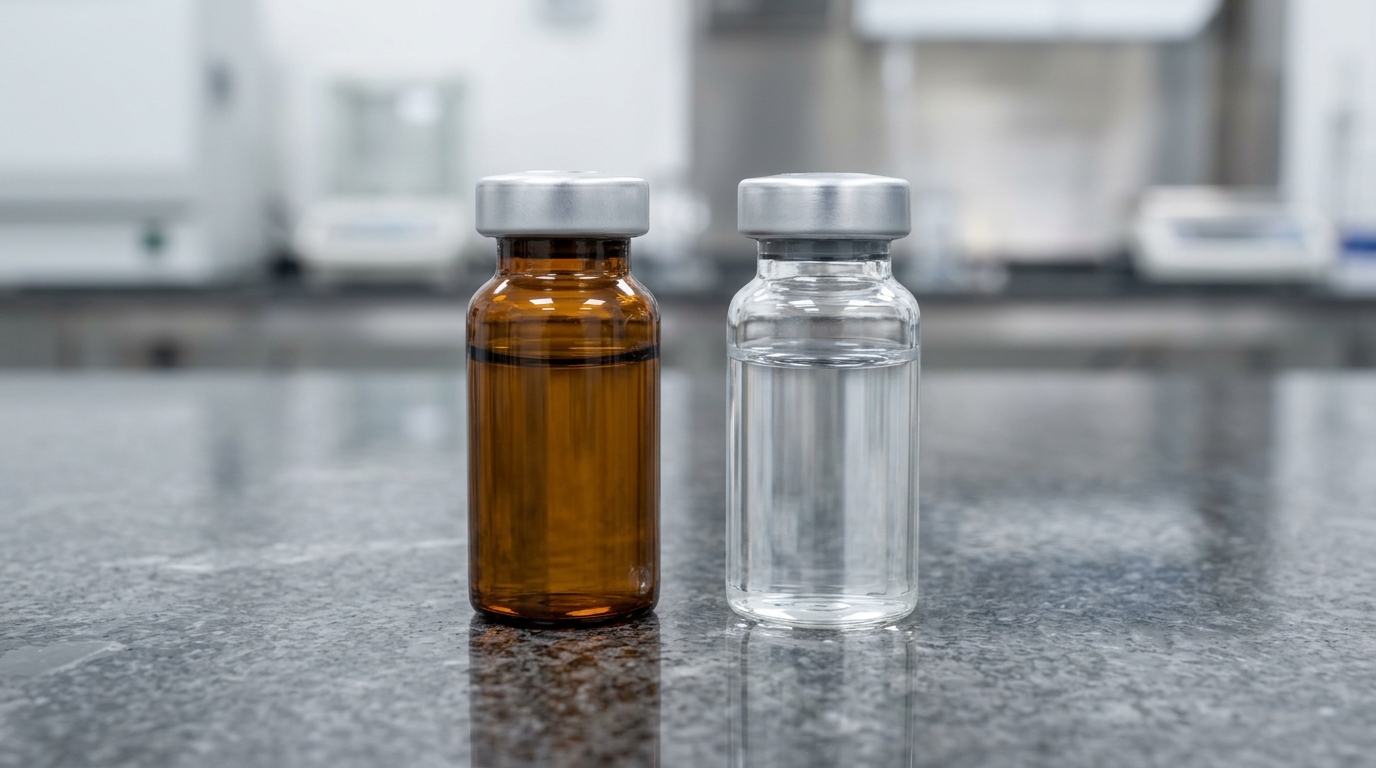
Vials are packaged in sterile borosilicate glass with premium rubber closures and shipped with medical cold-chain temperature packaging, ensuring the 36°F to 46°F refrigerated window is preserved continuously throughout courier transit.
NATIONWIDE DIGITAL METABOLIC CARE ACCESS
Providers and patients seeking the complete clinical guidance document and fatigue mitigation protocol can access the monograph online at telehealthfx.com/blog/does-tirzepatide-make-you-tired-fatigue/. Through the Telehealth FX Compounded Tirzepatide Portal, patients across all 50 states can consult licensed medical providers and access pure compounded Tirzepatide with Methylcobalamin starting at $99 for the first month.
About Telehealth FX
Powered by
