
Telehealth FX Releases 2026 Physician Monograph on Compounded Semaglutide Dose Escalation and U-100 Syringe Conversion Protocols
Comprehensive clinical practice document establishes step-by-step titration ladders, volume-to-mass conversions, and GI distress mitigation standards for outpatient weight loss.
Dallas, TX - November 6, 2026-- Telehealth FX has officially published an authoritative clinical practice monograph, Compounded Semaglutide Dose Escalation and Syringe Conversion Protocols, establishing standardized clinical guidelines for managing outpatient incretin therapy across 50 states. The comprehensive physician monograph addresses the critical pharmacokinetic and stoichiometric challenges encountered by patients transitioning from pre-set commercial pen injectors to multi-dose compounded glass vials, providing verified milligram-to-unit conversion tables across 2.5 mg/mL and 5.0 mg/mL formulations.
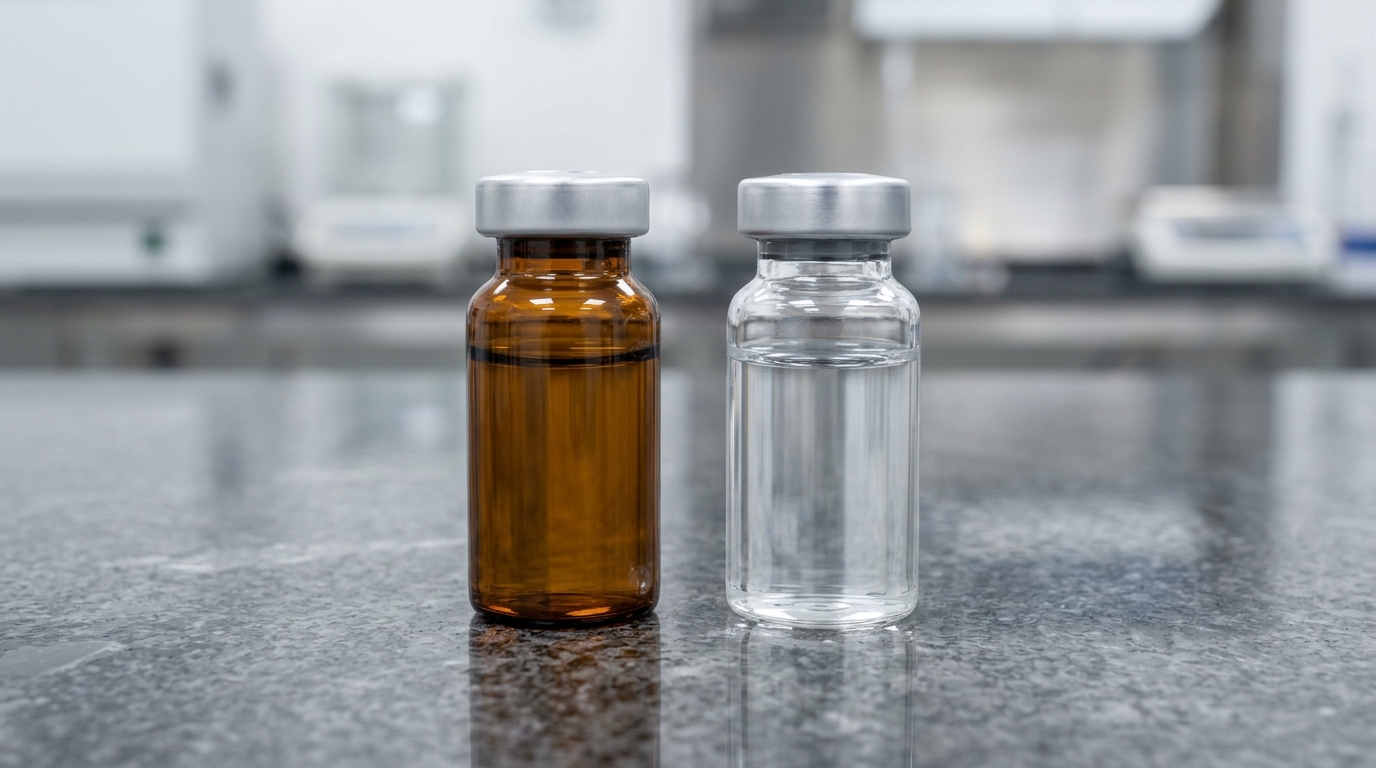
Telehealth FX clinical dosing chart and sterile U-100 insulin micro-syringes for 503A compounded Semaglutide titration.
As commercial insurance coverage for weight management medications remains restricted by high-deductible exclusions and employer benefit carve-outs, millions of patients rely on state-licensed 503A compounding pharmacies for accessible GLP-1 therapy. However, navigating multi-dose vials requires precise volumetric calculation. The newly released monograph bridges this clinical divide, establishing mandatory 4-week dose escalation intervals and providing visual titration guides directly linked to the Compounded Semaglutide Care Hub to ensure treatment continuity without compromising safety.
“In clinical practice, outpatient success with Semaglutide is determined during the first eight weeks of titration,” stated Dr. Elena Rivera, M.D., Senior Medical Reviewer at Telehealth FX. “Attempting to rush dose escalation before reaching steady-state plasma concentration overwhelms gastric motility and GLP-1 receptors in the area postrema, inducing severe nausea and early treatment abandonment. Our monograph provides clinicians and patients with an evidence-based roadmap that honors receptor biology, combining volumetric syringe precision with split-dosing mitigation protocols.”
PEER-REVIEWED CLINICAL EVIDENCE: STEP CLINICAL TRIAL ESCALATION PHARMACOKINETICS
The clinical efficacy of Semaglutide in chronic weight management was firmly established in the landmark Semaglutide Treatment Effect in People with Obesity (STEP) trial program published in The New England Journal of Medicine (STEP-1, PMID: 33567185). Across 68 weeks of subcutaneous administration, participants achieved a mean body weight loss of 14.9% when following a structured 16-week titration ladder compared to 2.4% in the placebo group. The physiological basis for this extended escalation lies in Semaglutide's molecular structure: a C16 fatty diacid chain attached via a hydrophilic spacer facilitates strong, reversible albumin binding, extending its elimination half-life to approximately 168 hours (7 days).
Because Semaglutide requires four to five half-lives (four to five weeks) to achieve steady-state plasma concentrations ($C_{ss}$), each dose level must be maintained for a minimum of 28 consecutive days. Clinical trials revealed that premature dose acceleration dramatically increased the incidence of severe gastrointestinal adverse events, with nausea reported in up to 44.2% of patients and vomiting in 24.8%. The Telehealth FX monograph establishes rigid clinical decision trees preventing dose increases if moderate GI symptoms persist at any titration tier.
DECONSTRUCTING COMPOUNDED SEMAGLUTIDE CONCENTRATIONS AND SYRINGE UNITS
Compounded Semaglutide is formulated in sterile multidose glass vials at standard concentrations, typically 2.5 mg/mL (dispensed for introductory doses) and 5.0 mg/mL (dispensed for intermediate and maintenance doses). Patients utilizing standard U-100 insulin syringes must understand that 100 units corresponds to 1.0 mL of liquid volume (1 unit = 0.01 mL). On a 2.5 mg/mL concentration vial, the standard 0.25 mg starter dose represents 0.10 mL (10 units), while the 0.50 mg step-up dose represents 0.20 mL (20 units).
When transitioning to a high-potency 5.0 mg/mL maintenance vial, however, volumetric dynamics shift twofold. Administering a 1.0 mg therapeutic dose requires 0.20 mL (20 units), the 1.7 mg intermediate dose requires 0.34 mL (34 units), and the full 2.4 mg maximum maintenance ceiling requires 0.48 mL (48 units). Without explicit mathematical education, patients frequently misread syringe barrel markings, drawing excess volume and experiencing acute nausea. The Telehealth FX conversion tables provide instant, foolproof cross-referencing across 0.3 mL, 0.5 mL, and 1.0 mL syringes.
COMPREHENSIVE 2026 CLINICAL GLP-1 ACCESS & PRICING BENCHMARK MATRIX
To provide clinical observers and patients with transparent comparative economics, the following matrix benchmarks major Semaglutide delivery models across four core parameters:
| Clinical Delivery & Care Model | Vial Concentration & Syringe Conversion Support | Medical Oversight & Titration Monitoring | Monthly Medication Supply | Total Initial Out-of-Pocket Expenditure |
|---|---|---|---|---|
| Telehealth FX Compounded Semaglutide | 2.5 mg/mL & 5.0 mg/mL (Complete Conversion Matrix Included) | Included (Board-Certified Physician Direct Supervised Care) | 4-Week Multi-Dose Vial + Sterile Supplies Delivered | $49.00 First Month ($99/mo Flat Ongoing; No Hidden Fees) |
| Branded Retail Pharmacy (Wegovy/Ozempic) | Single-Dose Disposable Autoinjector (Fixed Milligram Pens) | Limited (Retail Cashier Pickup; No Clinical Monitoring) | 4 Single-Use Autoinjectors Per Carton | $1,049.00 – $1,349.00 Out-of-Pocket (Cash Price) |
| Digital Weight Loss Aggregators | Third-Party 503A Compounded Vials (Variable Concentrations) | Automated Questionnaire Only (No Direct Physician Call) | 4-Week Supply Subject to Tiered Price Escalations | $249.00 – $399.00/mo (Plus Mandatory $145 Monthly Subscription) |
| Commercial Insurance In-Network | Fixed Disposable Pen (Subject to Strict Prior Authorization) | Requires In-Person Primary Care Appointments ($50 Copay) | 1 Month Supply Dependent on Supply-Chain Allocation | $1,500.00+ High Deductible (High Prior Auth Denial Rate) |
CRITICAL CLINICAL AND PATIENT PROTOCOL QUESTIONS ANSWERED
What should a patient do if they miss a scheduled weekly Semaglutide injection? If the missed dose is delayed by fewer than 5 days, the patient should administer the scheduled injection immediately and resume their normal weekly schedule. If more than 5 days have elapsed, the missed dose should be skipped entirely, administering the next regular dose on the usual scheduled injection day. If more than 14 consecutive days are missed, circulating peptide levels fall below therapeutic thresholds; patients must contact their prescriber to re-titrate from the 0.25 mg starter tier to avoid severe gastrointestinal distress.
What is a semi-weekly split-dose protocol, and when is it medically indicated? For patients experiencing recurrent peak-concentration nausea on higher maintenance doses (such as 1.7 mg or 2.4 mg), clinicians frequently recommend splitting the weekly volume into two equal semi-weekly injections administered every 3.5 days. This approach blunts peak plasma spikes ($C_{max}$) by up to 35% while sustaining steady therapeutic receptor occupancy.
Why is Semaglutide frequently co-compounded with Methylcobalamin (Vitamin B12)? Compounding Semaglutide with active Methylcobalamin provides dual clinical benefits: it counters potential treatment-related fatigue and gastrointestinal malabsorption, while imparting a natural red tint to the liquid formulation that enhances visual verification during syringe barrel filling.
LONGITUDINAL CLINICAL MONITORING AND METABOLIC BIOMARKER ADHERENCE
To ensure long-term clinical safety during protracted dose escalation, Telehealth FX incorporates mandatory baseline and 90-day metabolic biomarker evaluations into every outpatient care plan. Clinical endocrinology guidelines emphasize monitoring comprehensive metabolic panels (CMP), fasting lipid profiles, hemoglobin A1c, and serum lipase levels to proactively detect subclinical hepatic or pancreatic stress. In addition, patients complete bi-weekly digital wellness questionnaires tracking resting heart rate, gastrointestinal tolerance, and hydration metrics, allowing board-certified physicians to personalize titration velocity and provide immediate anti-emetic support whenever clinically indicated.
503A STERILE COMPOUNDING INTEGRITY AND USP <797> COMPLIANCE
All compounded Semaglutide medications dispensed via Telehealth FX partner pharmacies are formulated in strict adherence to USP <797> cleanroom environmental controls and Section 503A of the Federal Food, Drug, and Cosmetic Act (21 U.S.C. § 353a). Compounding laboratories operate certified ISO Class 5 laminar air hoods, conducting routine microbial bioburden sampling, endotoxin testing, and stability testing. Compounding formulations utilize pure, analytical-grade active pharmaceutical ingredients (APIs) sourced exclusively from FDA-inspected facilities, strictly avoiding non-standard peptide salts.
Medications are packaged in multidose borosilicate glass vials protected with airtight rubber stoppers that prevent particulate coring. Shipments are transported in temperature-monitored, validated thermal insulated packaging with non-toxic gel refrigerant packs, ensuring active ingredients remain within the required 36°F to 46°F cold chain until unpacked by the patient.
NATIONWIDE MEDICAL ACCESSIBILITY AND DIGITAL CARE
Healthcare providers, medical directors, and patients seeking verified dosing references can access the complete monograph and interactive conversion charts at telehealthfx.com/blog/semaglutide-dosing-chart-units-to-mg/. Through the Telehealth FX Compounded Semaglutide Portal, patients across all 50 states can consult licensed medical providers and receive pure compounded Semaglutide for $49 for the first month and $99 per month flat thereafter, with all supplies and medical evaluations included.
About Telehealth FX
Powered by
