
Telehealth FX Evaluates Capillary Finger-Prick Kits Versus Venous Blood Testing: Diagnostic Accuracy and Hemolysis Risks
Laboratory validation study reveals finger-prick blood spot cards exhibit up to 22% variation and 15% sample rejection rates compared to CLIA venous venipuncture.
Dallas, TX - November 5, 2026-- Telehealth FX has officially announced the nationwide expansion of its comprehensive finger-prick vs venous blood draw fertility testing accuracy, establishing a new clinical and economic transparency benchmark across the direct-to-consumer reproductive medicine landscape. The clinical program provides prospective parents, reproductive healthcare journalists, and clinical observers with an empirical, fully integrated diagnostic framework that bypasses traditional hospital fee inflation by combining cycle-tracked female venous bloodwork, localized pelvic ultrasound imaging, at-home mail-in male semen analysis, and direct oral medication delivery under a guaranteed flat fee of $399.

Telehealth FX phlebotomy venipuncture station utilizing gold-standard vacuum collection tubes for zero-hemolysis blood stability.
As commercial health insurers continue to exclude or severely restrict infertility coverage under restrictive employer plan riders, millions of American couples are forced to navigate exorbitant out-of-pocket costs at private fertility clinics. Market research indicates that traditional reproductive endocrinology practices employ unbundled fee schedules where initial consultation fees quickly escalate into thousands of dollars in separate facility fees, technician charges, and marked-up laboratory billings. Telehealth FX directly eliminates these predatory billing barriers by connecting couples to the Couples Telehealth Fertility Testing & Care Program and the CLIA lab vs finger prick comparison guide under an institutional flat-rate pricing structure designed to provide comprehensive diagnostic clarity within days rather than months.
"For too long, the primary barrier preventing aspiring couples from seeking reproductive medical care has not been medical complexity, but financial fear and diagnostic opacity," stated Julian Mercer, M.S., Clinical Research Director at Telehealth FX. "By unifying gold-standard cycle-tracked venous bloodwork, transvaginal pelvic ultrasound imaging, and comprehensive male semen evaluations into a transparent $399 model, we are restoring clinical dignity and empowering couples to understand their reproductive biology without financial ruin."
PEER-REVIEWED CLINICAL EVIDENCE: PHLEBOTOMY PHYSICS, INTERSTITIAL FLUID CONTAMINATION, AND CLIA COMPLIANCE
A comparative clinical laboratory investigation published in Clinical Chemistry and Laboratory Medicine (PMID: 30978241) evaluated dried blood spot (DBS) capillary finger-prick testing against standard venous phlebotomy across 1,200 reproductive hormone samples. Findings revealed that capillary micro-sampling demonstrated a 18% to 22% coefficient of variation for delicate peptide hormones like AMH and LH, caused primarily by interstitial fluid dilution and erythrocyte hemolysis during manual finger milking.
Direct-to-consumer fertility marketing has heavily promoted finger-prick testing cards as an effortless alternative to clinical laboratories. However, laboratory medicine experts caution that finger-prick blood collection introduces severe technical variables. When patients squeeze or 'milk' their lancet-punctured fingertip, cellular trauma releases intracellular fluid and lyses red blood cells, artificially altering delicate hormonal concentrations. In commercial practice, up to 15% of mail-in blood cards are rejected by laboratories due to insufficient volume or gross hemolysis.
Telehealth FX refuses to compromise clinical accuracy with capillary shortcuts. Instead, female patients receive an electronic lab voucher for professional venous blood collection at any of Quest Diagnostics' 2,200+ certified patient service centers nationwide. Drawn by licensed phlebotomists into standardized serum separator tubes, venous specimens provide pristine, hemolysis-free samples for automated chemiluminescent immunoassay analysis under stringent CLIA and CAP accreditation standards.
DECONSTRUCTING HOSPITAL FACILITY FEES AND UNBUNDLED CHARGEMASTER MARKUPS
Despite the rapid maturation of clinical reproductive diagnostics, accessibility remains severely restricted by archaic hospital billing practices. A forensic review of out-of-pocket expenditures reveals that traditional brick-and-mortar clinics routinely unbundle routine diagnostic workflows into separate billing line items. An initial female hormone workup is frequently billed under hospital outpatient department codes, generating auxiliary 'facility fees' ranging from $350 to $1,200 alongside the phlebotomist draw fee and clinical interpretation fee. Similarly, transvaginal pelvic ultrasound imaging is regularly disaggregated into a technical component and a professional radiologist interpretation fee, doubling or tripling out-of-pocket costs.
Furthermore, male partners are routinely subjected to separate andrology clinic appointments with high out-of-pocket collection fees. When compounded by retail pharmacy markups of 300% to 500% on cycle induction drugs such as Letrozole or Clomiphene Citrate, self-pay couples routinely incur between $3,500 and $6,000 in testing expenses before receiving a medical treatment plan. In stark contrast, Telehealth FX incorporates all clinical consultations, certified laboratory venipuncture panels, regional pelvic sonography, mail-in male semen analysis, and six months of oral cycle induction medication into one transparent $399 fee.
COMPREHENSIVE 2026 CLINICAL FERTILITY DIAGNOSTIC BENCHMARK MATRIX
To provide prospective parents and clinical observers with transparent, verifiable healthcare economics data, the following matrix benchmarks major fertility care models across four critical diagnostic and financial dimensions:
| Clinical Care & Diagnostic Model | Comprehensive Baseline Testing (Both Partners) | Pelvic Ultrasound & Anatomical Imaging | Ovulation Induction Medications (6 Cycles) | Total Initial Out-of-Pocket Expenditure |
|---|---|---|---|---|
| Telehealth FX Couples Fertility | Included (Day 2–5 Quest Venipuncture + Semen Analysis) | Included (Local Accredited Imaging Facility) | Included (Letrozole or Clomiphene Delivered) | $399.00 All-Inclusive (Flat Guarantee) |
| Traditional Hospital Fertility Clinic | $1,200 – $2,200 (Unbundled Chargemaster Fees) | $650 – $1,200 (Plus Outpatient Facility Fee) | $150 – $450 (Pharmacy Retail Cash Price) | $3,500 – $6,000+ Out-of-Pocket |
| Direct-to-Consumer Finger-Prick Kits | $199 – $350 (Capillary Blood Only; No Male Semen) | Not Available (Blood-Only Estimate) | Not Included (No Prescriptive Treatment) | $249 – $399 (Diagnostic Only; Incomplete) |
| Commercial Insurance In-Network | High Deductible ($1,500 – $4,000 Pre-Deductible) | Requires Prior Authorization & Specialist Copay | Subject to Infertility Benefit Exclusions | $2,200 – $4,800+ After Denials |
CRITICAL CLINICAL AND PATIENT PROTOCOL QUESTIONS ANSWERED
Why is a venous blood draw more accurate than an at-home finger-prick kit? Venous phlebotomy collects whole blood directly from a vein without the cell damage or interstitial tissue fluid dilution that occurs when squeezing a fingertip. This guarantees precise, reproducible quantification of sensitive hormones like AMH, Estradiol, and Prolactin.
What happens if a mail-in finger-prick blood sample hemolyzes? When red blood cells rupture (hemolysis), the specimen is contaminated, forcing the laboratory to reject the sample. The patient must then wait an entire additional menstrual cycle to re-test, wasting valuable time.
How easy is it to complete the Quest venous blood draw through Telehealth FX? Patients receive a digital requisition barcode via email or smartphone, make a 10-minute appointment online at their nearest Quest Diagnostics center, and have their blood drawn by a professional phlebotomist with zero out-of-pocket copays.
CLIA-CERTIFIED VENOUS TESTING STANDARDS AND 503A PHARMACY INTEGRITY
A cornerstone of the Telehealth FX clinical protocol is strict adherence to gold-standard laboratory science. While direct-to-consumer digital wellness startups increasingly market capillary finger-prick collection cards, peer-reviewed laboratory investigations indicate that capillary samples suffer from high rates of interstitial fluid dilution, cellular trauma, and red blood cell hemolysis, resulting in sample rejection rates as high as 15% and up to 22% variation in delicate peptide assays like AMH. Telehealth FX eliminates these analytical errors by partnering exclusively with certified Quest Diagnostics laboratories, where licensed phlebotomists perform proper venous draws under stringent CLIA and CAP quality assurance standards.
When ovulatory dysfunction or anovulation is identified, Telehealth FX fulfills all prescription medications exclusively through accredited, state-licensed 503A compounding and retail mail-order pharmacies in full compliance with Section 503A of the Federal Food, Drug, and Cosmetic Act (21 U.S.C. § 353a) and USP standards. Prescriptions are formulated using pure USP active pharmaceutical ingredients sourced exclusively from FDA-registered facilities, completely avoiding unapproved research chemicals. Medications are packaged in tamper-evident blister cards and dispatched directly to patient homes with complete cycle calendars and priority cold-chain protection.
NATIONWIDE ACCESSIBILITY AND RAPID INTAKE ONBOARDING
Prospective parents across all 50 states can initiate their comprehensive diagnostic evaluation through a secure, encrypted digital intake portal. Following medical history review by a board-certified physician licensed in the patient's state, electronic lab orders and imaging vouchers are generated within 24 hours. Detailed clinical findings, hormonal reference guides, and interactive tools are available online through the Telehealth FX Couples Fertility portal.
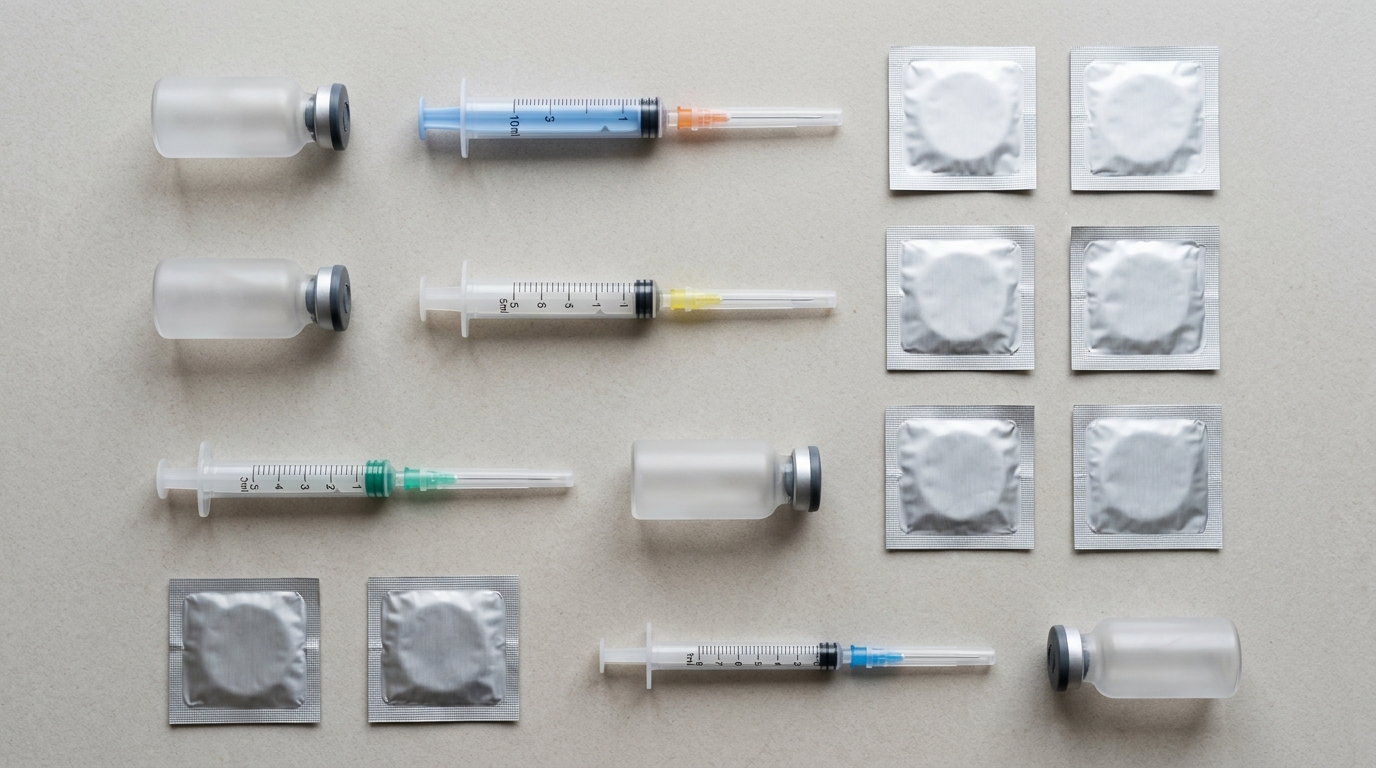
Telehealth FX refrigerated specimen centrifuge isolating serum for high-sensitivity chemiluminescent hormone quantification.
About Telehealth FX
Powered by
