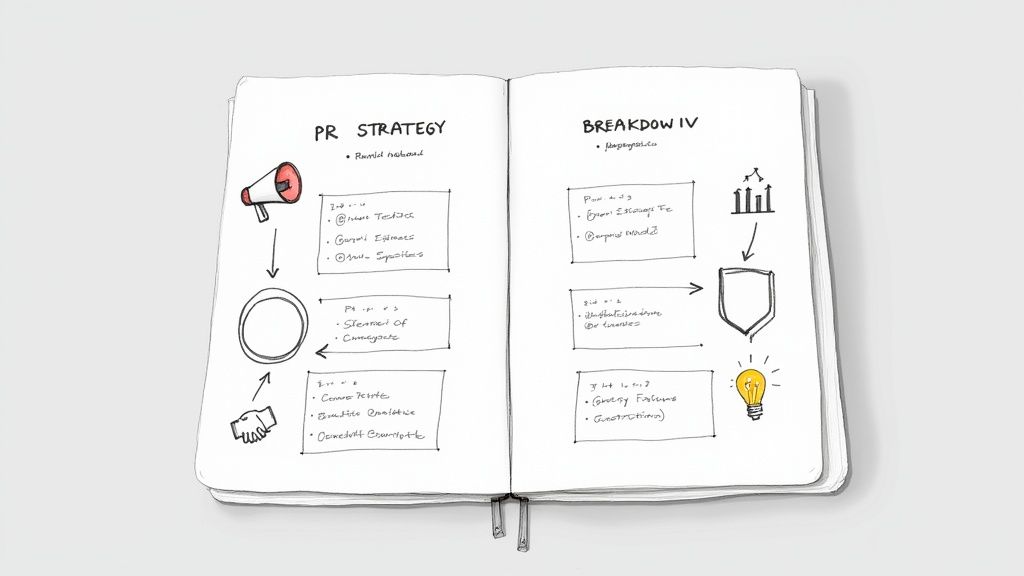
6 Public Relations Strategy Example Breakdowns for 2025
Discover our deep-dive analysis of a public relations strategy example for crisis management, influencers & more. Steal these actionable tips for your brand.
Affordable press release distribution runs from free to about $399 in 2026. Eight services with verified prices, where the placements land, and how to buy cheap without wasting it.


Affordable press release distribution runs from free directories to about $399 in 2026, and the honest version of this list is shorter than most: the market has maybe eight options worth your time, and "affordable" hides more than it reveals. I run a distribution service and spent over $6,000 testing the competition, so the prices below are verified (July 2026) and the opinions are mine, earned the expensive way.
One thing before the list. Cheap wires get cheap by not buying real distribution: most low-cost services publish your release across websites they operate themselves, count each copy as a "placement," and hand you a report with a big number on it. Nobody reads those pages, search engines consolidate the duplicates, and no journalist ever sees your news. I took apart the mechanics in the EIN Presswire pricing breakdown; the pattern applies across the budget tier. The question for every service below isn't the price, it's where the placements land.
| Service | Verified price (July 2026) | What the money buys |
|---|---|---|
| Press Ranger | $299 / $399 flat | Guaranteed named publishers + AI and audio channels |
| 24-7 Press Release | $29–$479 | Real budget distribution, smaller-market network |
| EIN Presswire | $149 ($499 for 6) | Syndication volume, largely on its own network |
| PR Fire (UK) | £95 + VAT | Pay-as-you-go UK distribution |
| IssueWire | Free first release | Zero-risk trial, modest paid network |
| PRLog | Free tier | Search-engine visibility, nothing more |
| eReleases | from $399 | PR Newswire network access without the membership |
| PRWeb | from $350 | No longer affordable; kept here as a warning label |
Mine, so discount accordingly, but the reason it leads an affordability list is arithmetic. We buy distribution wholesale from the tier-one networks and resell it flat: $299 (Premium) or $399 (Gold) per release, prices published, no memberships, no per-word meters. The same distribution retails at $699 to $1,099 elsewhere. Every release carries guaranteed placements on named publishers, including Business Insider, Yahoo Finance, and AP News, with the placement list published before you pay and a report linking every pickup after.
Gold adds the channels the budget tier doesn't have at any price: AIWire indexing across ChatGPT, Perplexity, Grok, Copilot, and Gemini with citation reporting, audio distribution to Spotify, Apple Podcasts, YouTube, Amazon Music, iHeart and more, and social coverage. Details on the wholesale distribution page.
The cheapest functional distribution I've tested. The $29 tier is real, the editorial review is stricter than the price implies, and the tracking is decent. The trade: the network skews to smaller media markets, with no tier-one names at any tier and slower handling on the budget end. For a local announcement or a shoestring test of whether press releases do anything for your business, this is the honest bottom of the market.
$149 per release, $499 for six, $999 for fifteen, prices published and verified. EIN delivers exactly what its pricing page describes, and what it describes is syndication volume with purchasable anchor-text links, 700-word cap on the basic tier. In my testing, placements concentrated on EIN-operated properties rather than independent outlets. Fine for checkbox PR at bulk prices; wrong tool for coverage or durable SEO. The full teardown: EIN Presswire pricing.
The UK's pay-as-you-go option, now at prfire.co.uk. Same-day distribution is standard, writing services bolt on for £290, and the pricing stays honest because everything is à la carte. UK-centric network with no tier-one US placements, which is fine if your audience reads UK media and a dealbreaker if it doesn't.
The free first release makes IssueWire the only zero-risk trial in the category, and the multimedia allowance is generous for the price class. The free tier includes no real media distribution, the paid network is modest, and their pricing page was down when I checked in July 2026, so confirm current numbers before buying. Reasonable as a first experiment; not a strategy.
PRLog publishes your release on its own site with search-engine visibility and charges nothing for the basic tier. That's the entire product. No outlets, no outreach, no guarantees, and the free-directory footprint does nothing a journalist or an AI assistant will ever notice. Use it to occupy your brand's search results for the announcement, and expect nothing else.
The top of "affordable" and the honest answer for one specific buyer: someone who wants the PR Newswire network without buying the PR Newswire membership and meters. That's eReleases' whole business. Multimedia costs extra and the journalist-inbox distribution produced nothing in my testing, but the PRN feed access is real.
PRWeb spent a decade as the default budget wire, and most of the internet still describes it that way. The current published card starts at $350 and runs to $1,500, with journalist outreach only above $1,200, verified July 2026. It stays on this list because you'll see it on every other affordable-PR roundup at prices that no longer exist. Details: PRWeb pricing.
Names you'll see on other lists that I left off: Send2Press, PR Underground, PR.com, PRNews.io, and a rotating cast of similar services. Some are fine for what they are; none published prices I could verify this month or showed placements in my testing that beat the options above.
Free: PRLog or IssueWire's first release, which buy search-result presence and nothing else. Cheapest real distribution: 24-7 Press Release from $29. Cheapest distribution with guaranteed name-brand outlets: our $299 Premium tier, because below that price point, named-publisher guarantees don't exist.
For coverage, no; journalists don't read free directories and search engines don't reward them. It has one legitimate use: putting your announcement on page one when someone Googles your company name. Treat it as reputation furniture, not marketing.
Self-hosted placement networks, word caps, per-image fees, and reports that count copies instead of readers. The price on the package is honest; the implication that placements equal coverage is where budget buyers get burned.
When anyone will check the coverage: investors, customers, partners, or an "As Seen In" badge on your site. Placements on Business Insider, Yahoo Finance, and AP News survive scrutiny; a syndication report doesn't. That jump costs $299–$399 at wholesale, and roughly $700 to $1,100 anywhere it's sold at retail. The full market comparison is in the best distribution services guide.
Discover our deep-dive analysis of a public relations strategy example for crisis management, influencers & more. Steal these actionable tips for your brand.
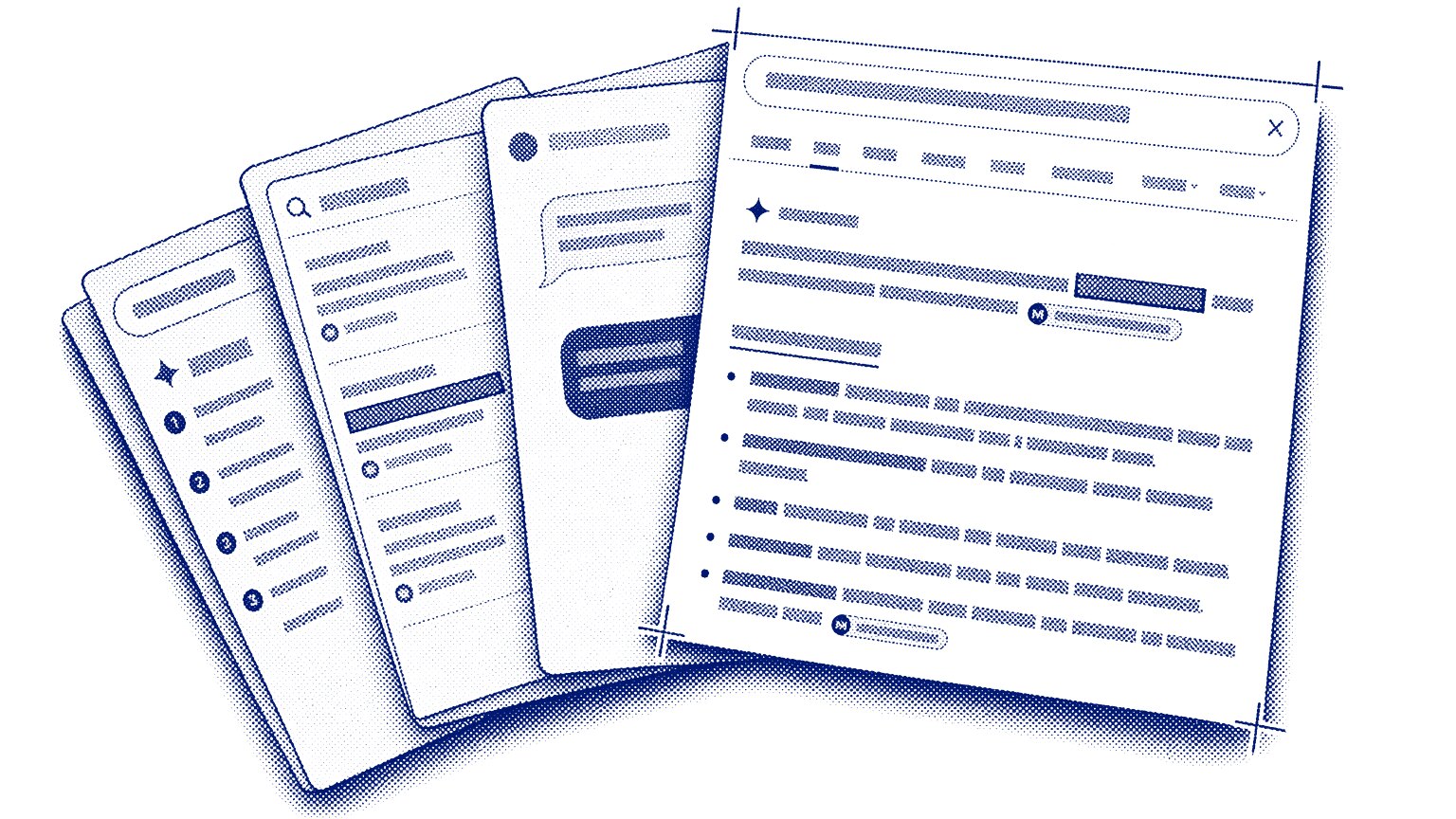
Gold press release reports now include screenshots of your release in ChatGPT, Google AI Overviews, Gemini, and Perplexity answers, ready to share with clients.
Personalization is the heart of meaningful communication — it’s what transforms a message from generic to genuinely engaging. By tailoring your press releases to reflect the language, tone, and priorities of your audience, you make every word feel written just for them.